Optimal Timing for Concrete Installations
Concrete installations require careful timing to ensure optimal curing and durability. The best time to undertake such projects depends on weather conditions, temperature, and humidity levels. Proper planning can prevent issues like cracking, uneven setting, or delays caused by adverse weather.
Concrete sets best when temperatures are between 50°F and 85°F. Extreme cold or heat can affect curing times and final strength.
Spring and fall are typically optimal seasons for concrete work, avoiding the risks associated with winter cold and summer heat.
Dry weather with minimal rain is preferred to prevent delays and ensure proper curing. Humidity levels also influence setting times.
Scheduling concrete work during stable weather windows minimizes risks of cracking and surface imperfections.
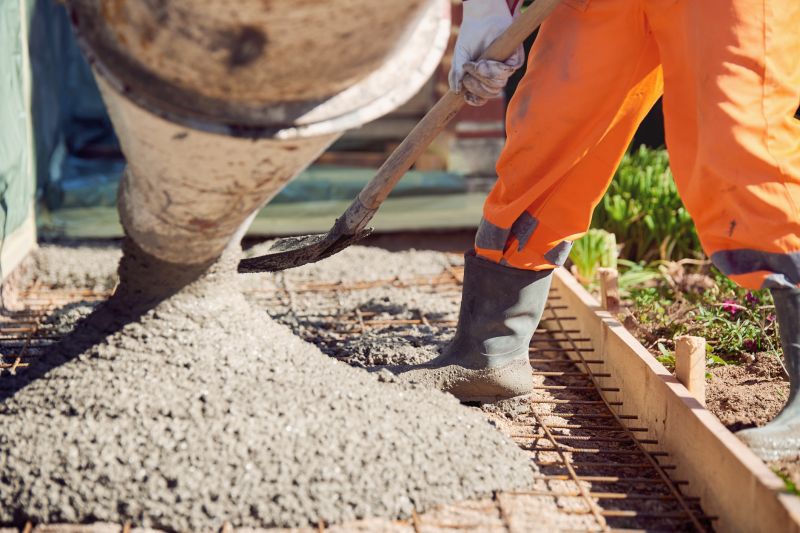
Spring offers moderate temperatures ideal for concrete installation, reducing curing issues.
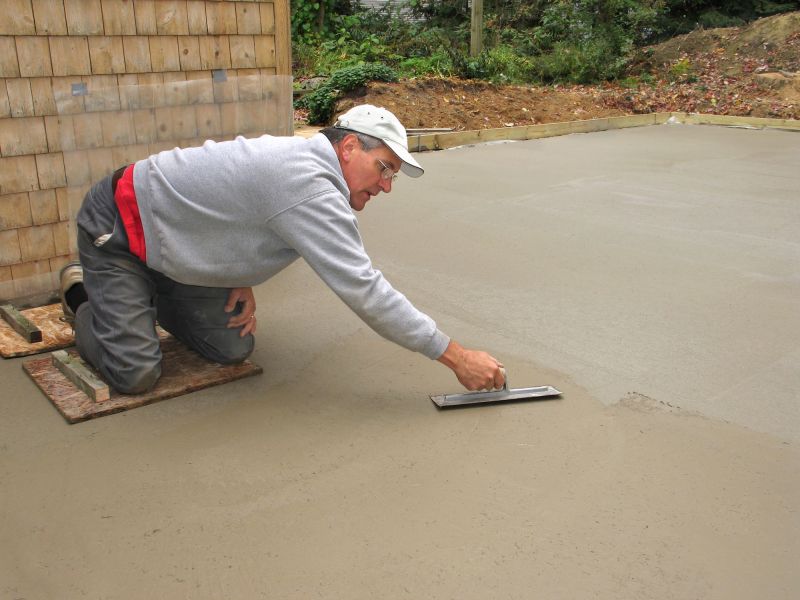
Summer requires precautions against high temperatures to prevent rapid drying and cracking.
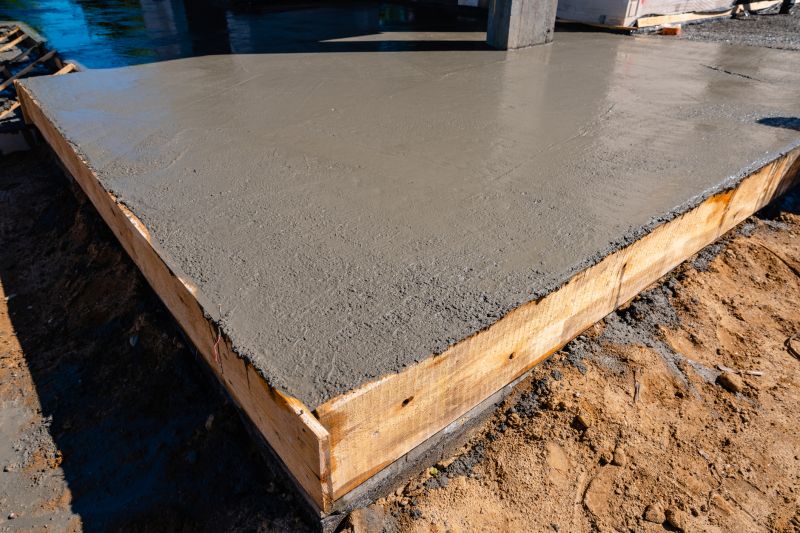
Fall provides cooler weather with less rain, making it suitable for large-scale installations.
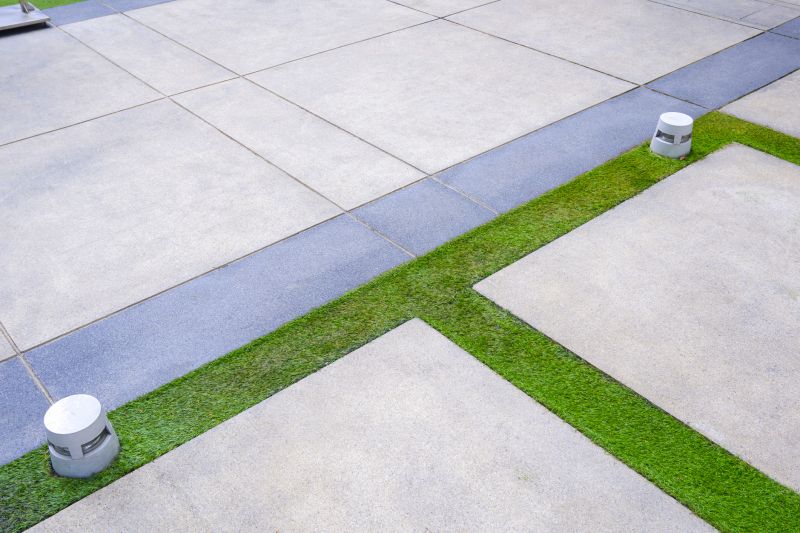
Ways to make Concrete Installations work in tight or awkward layouts.
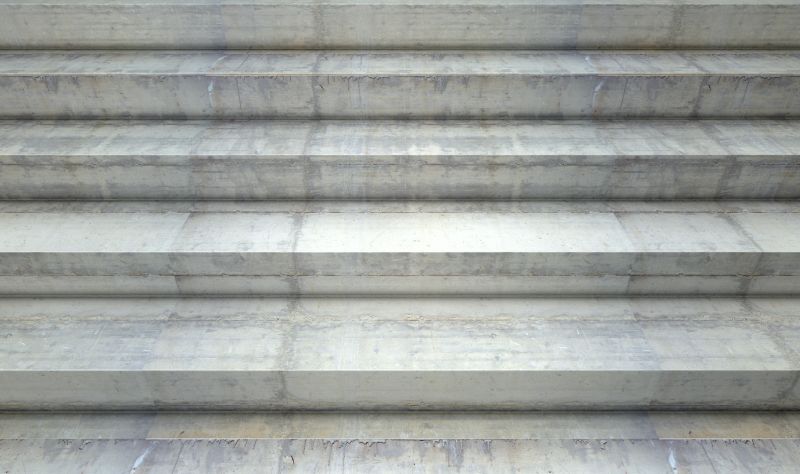
Popular materials for Concrete Installations and why they hold up over time.
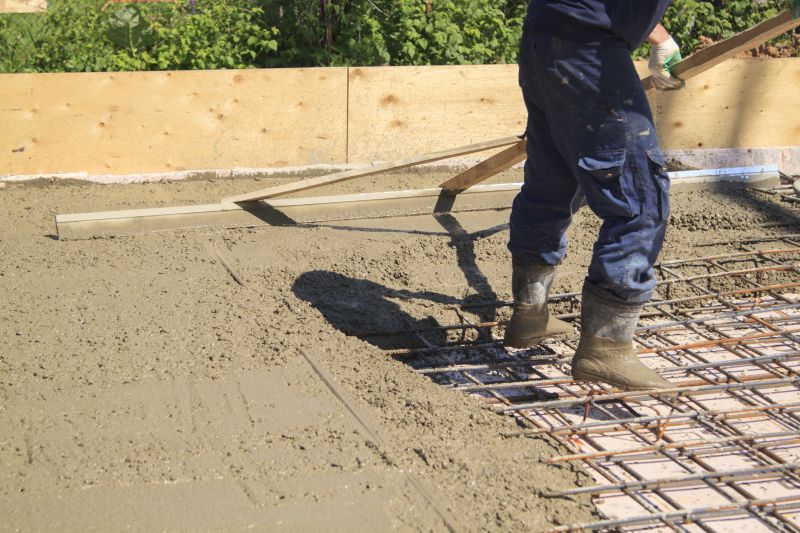
Simple add-ons that improve Concrete Installations without blowing the budget.
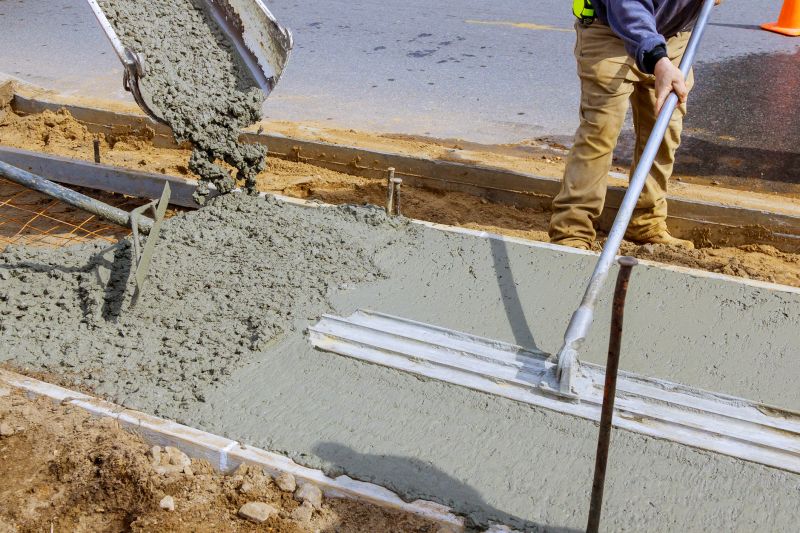
High-end options that actually feel worth it for Concrete Installations.
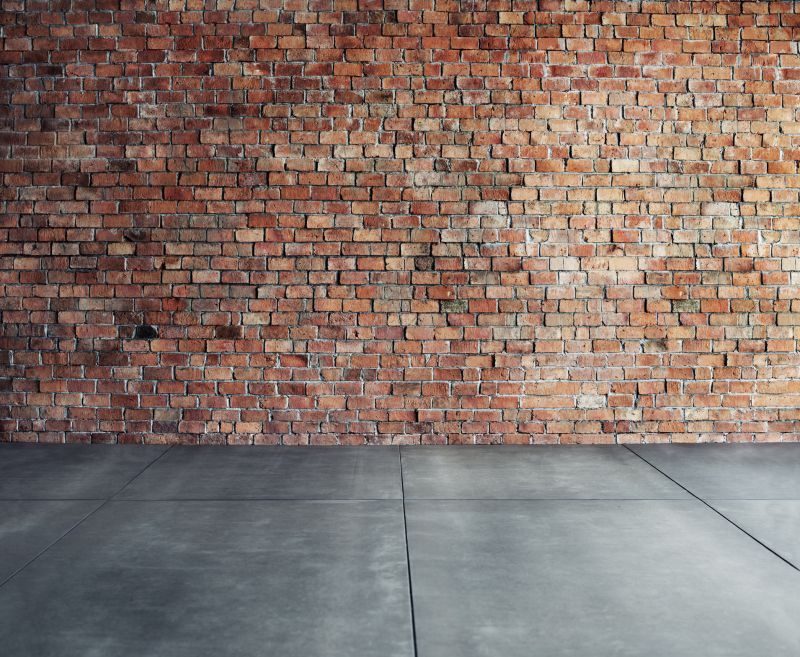
Finishes and colors that play nicely with Concrete Installations.
| Season | Optimal Conditions |
|---|---|
| Spring | Moderate temperatures, low rain |
| Summer | Early morning or late afternoon work, protection from heat |
| Fall | Cool temperatures, dry conditions |
| Winter | Not recommended unless heated enclosures are used |
| Rainy periods | Avoid scheduling to prevent delays |
Concrete installations involve mixing, pouring, and curing processes that are sensitive to environmental conditions. Proper timing ensures the concrete hardens uniformly, achieving the desired strength and longevity. Weather factors such as temperature, humidity, and precipitation significantly influence the curing process. Scheduling projects during favorable seasons minimizes risks and enhances the quality of the finished surface.
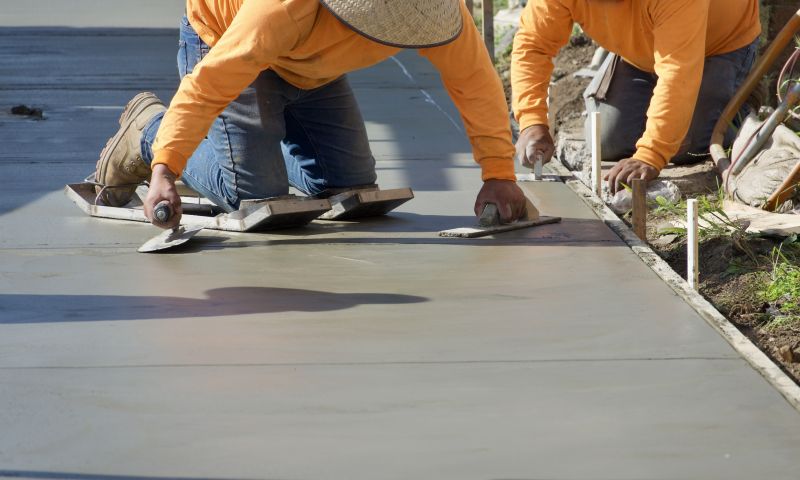
Optimal conditions for pouring concrete to ensure proper setting.
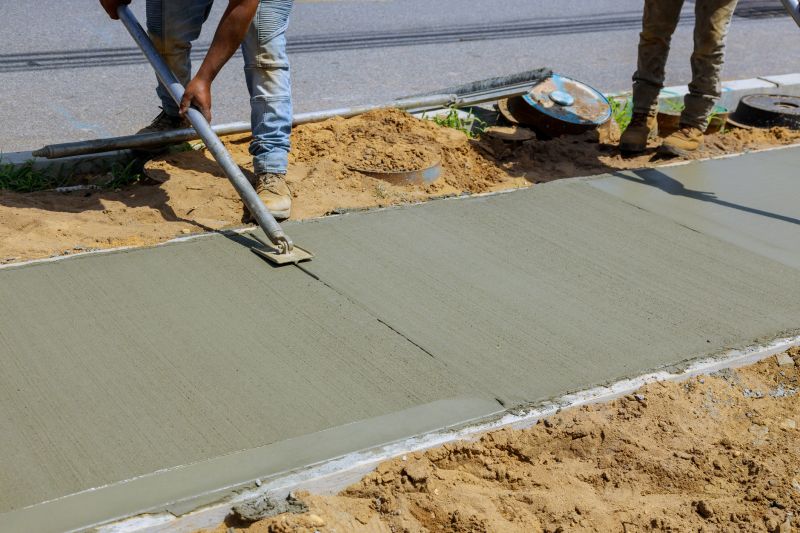
Choosing the right season can improve durability and finish.
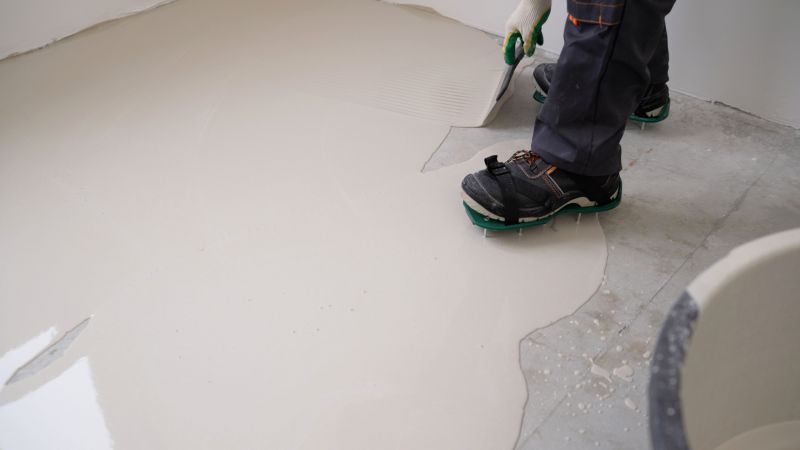
Proper curing is essential for maximum strength and longevity.
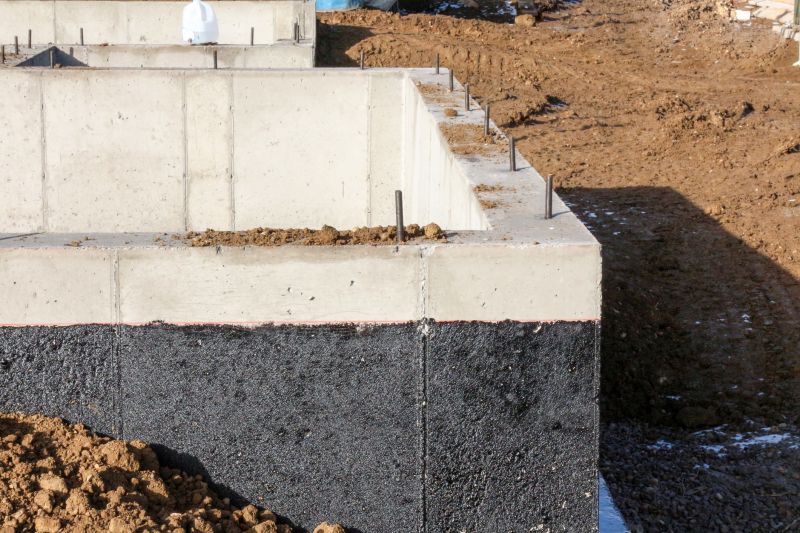
Scheduling during ideal weather reduces project risks.
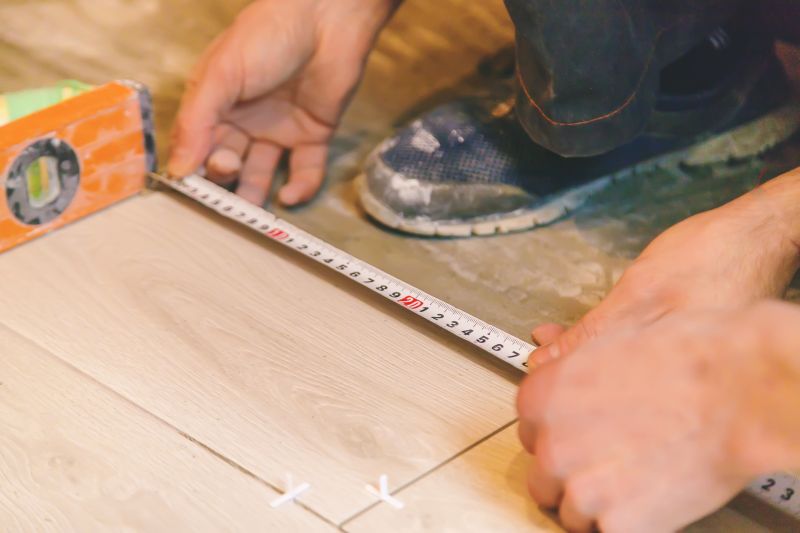
Little measurements that prevent headaches on Concrete Installations day.
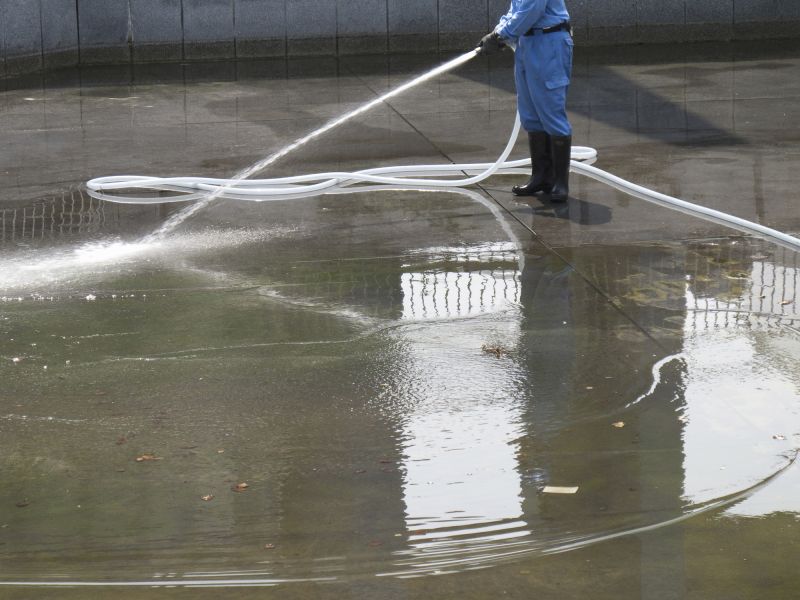
A 60-second routine that keeps Concrete Installations looking new.
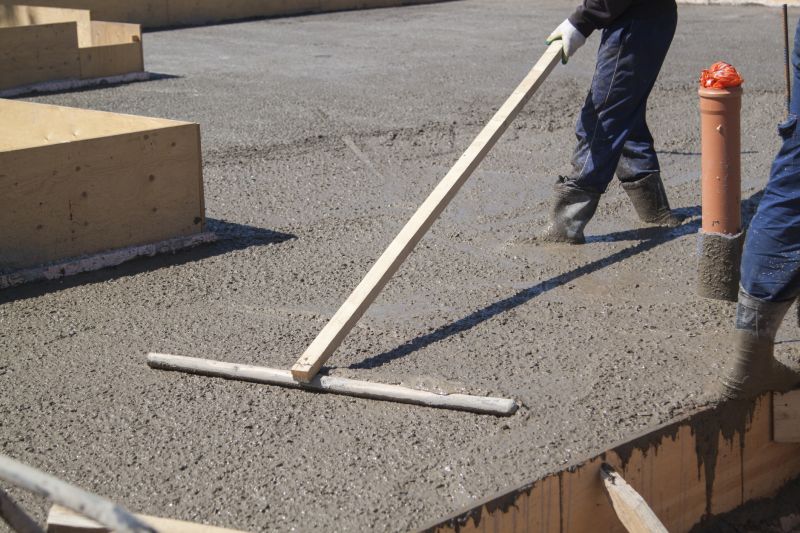
A frequent mistake in Concrete Installations and how to dodge it.
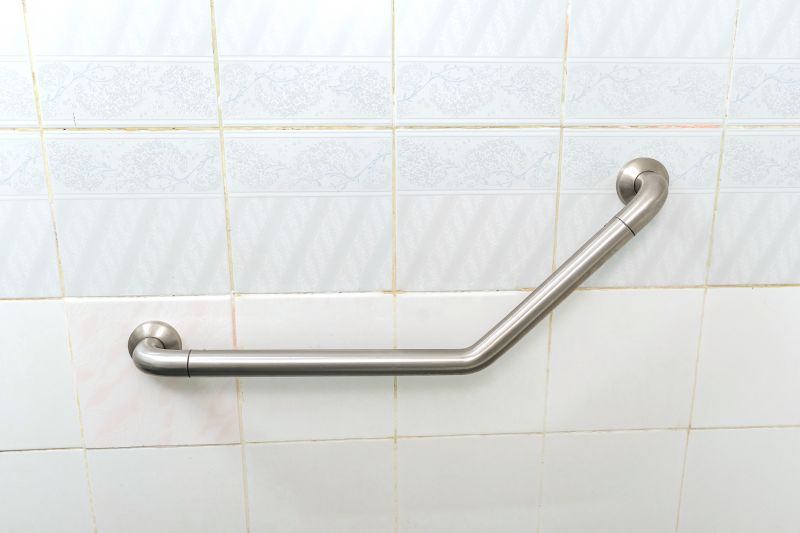
Small tweaks to make Concrete Installations safer and easier to use.
Installation is possible with special precautions, such as heated enclosures and additives, but generally not recommended due to cold temperatures.
Weather influences the hydration process; extreme temperatures can cause cracking or delayed setting.
Spring and fall are typically preferred for their moderate weather conditions.
Scheduling during favorable weather, ensuring proper site drainage, and considering temperature control measures are key.